074 — Qalandiya International (Qi) art biennale
Slug: qalandiya-international Location: Distributed — Ramallah, Jerusalem, Haifa, Gaza, and diaspora venues (Palestinian Territories and beyond) Validation tier: 2 — strong art-world press evidence; mass-visitor signal thin Researched: 2026-09-22 (UTC). Social layer: Threads (entirely off-target), Facebook groups (not accessible for this entry), Instagram (no public post surface).
Overview
Qalandiya International (Qi) is Palestine's roving contemporary-art biennale — a distributed exhibition across Ramallah, Jerusalem, Haifa, Gaza, and diaspora venues, organized around themes of return, exile, refuge, and solidarity. It is an art-world event rather than a mass-visitor attraction: the coverage is long-form criticism (Hyperallergic, The Art Newspaper), not traveler reviews.
Social standing
No usable social signal: the Threads layer was entirely off-target. The entry rests on art-press evidence: Hyperallergic's long-form review of Qi 2016 (exhibitions at the Sakakini Center, a Jalazone refugee-camp pigeon installation, Ramallah public-space commissions) and The Art Newspaper's 2016 preview framing the biennale around return and refuge. Reviews praise the achievement of mounting a biennale under occupation while criticizing uneven exhibition translation.
Linked sources
- Hyperallergic — "How to Organize a Biennial in Occupied Territory" — long-form review of the biennale's organization and venues.
- Hyperallergic — "Themes of Return, Exile, and the Sea Trickle Through a Palestinian Art Festival" — thematic review.
- The Art Newspaper — "Palestine biennial to focus on themes of return and refuge" (2016) — preview of the 2016 edition.
Key facts
- Palestine's roving contemporary-art biennale; venues have included Ramallah (including the Sakakini Cultural Center), Jerusalem, Haifa, Gaza, and diaspora locations.
- Recurring themes: return, exile, refuge, the sea, solidarity.
- Notable 2016 moments per Hyperallergic: Sakakini Center exhibitions, a pigeon installation at Jalazone refugee camp, public-space commissions in Ramallah.
- Critical reception: praised as an organizational achievement under occupation; criticized for uneven exhibition translation (Hyperallergic).
Access realities
- An event, not a place: editions are periodic and the venue map changes each time. There is no standing exhibition to visit between editions.
- The audience is the contemporary-art world plus culturally engaged travelers; programming is announced per edition.
Observed practical information (observed 2026-09-22)
- No current edition dates, venues, or ticket information were directly observed from a current reliable source on the research date. Do not assume an edition is upcoming.
Tips
- For art-minded travelers, the Sakakini Center's biennale exhibitions are the most accessible anchor when an edition is on.
- Follow the biennale's own announcements for edition timing; the distributed-venue model means planning across cities.
Community verdict
Respected in the art world as a serious biennale achieved against extraordinary constraints; the criticism is curatorial (translation unevenness), not political. Mass-visitor discussion is thin — this is a specialist entry, stated as such.
UNVERIFIED / contested-claim log
- [UNVERIFIED] Dates, venues, and program of any current or upcoming edition.
- The 2016 edition details are per dated art-press coverage; later editions were not verified in this scan.
Image archive · 5 photographs
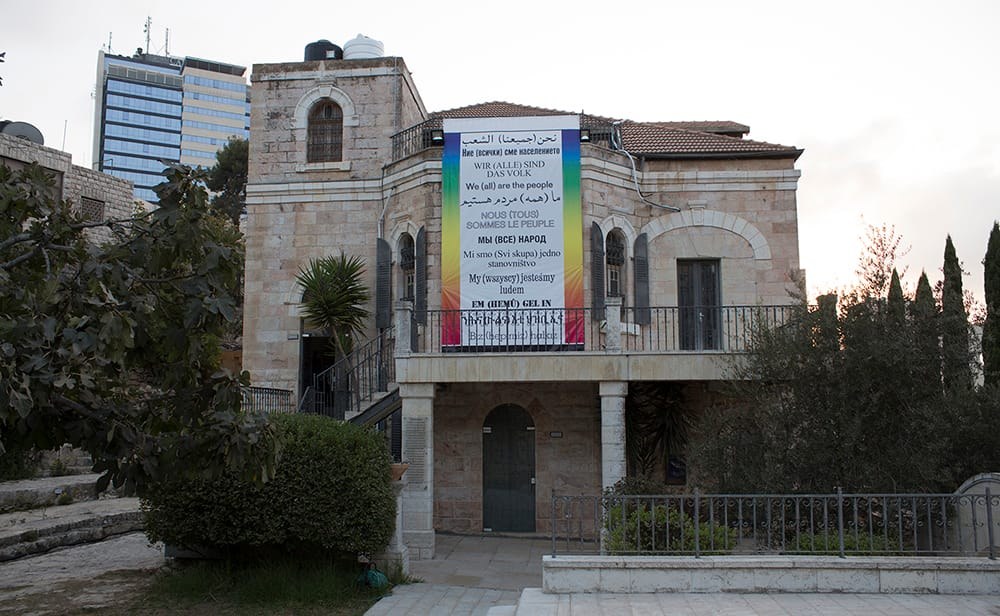
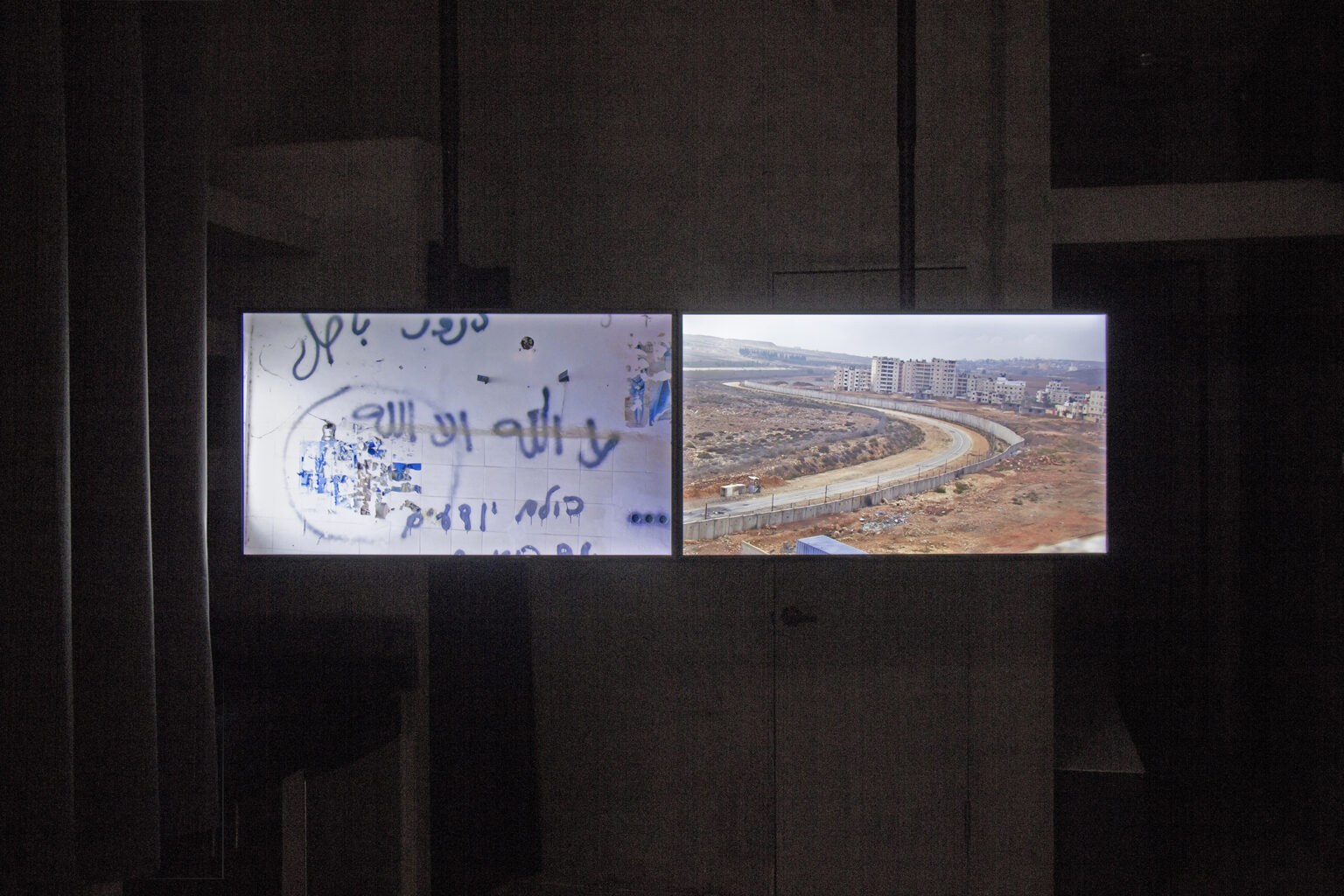
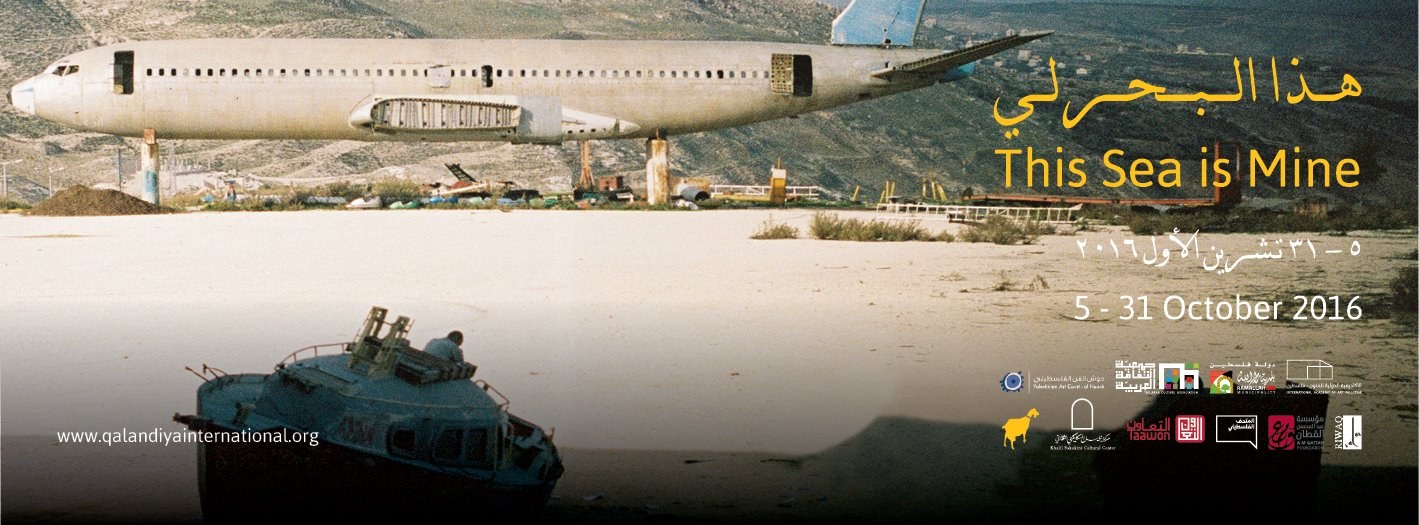
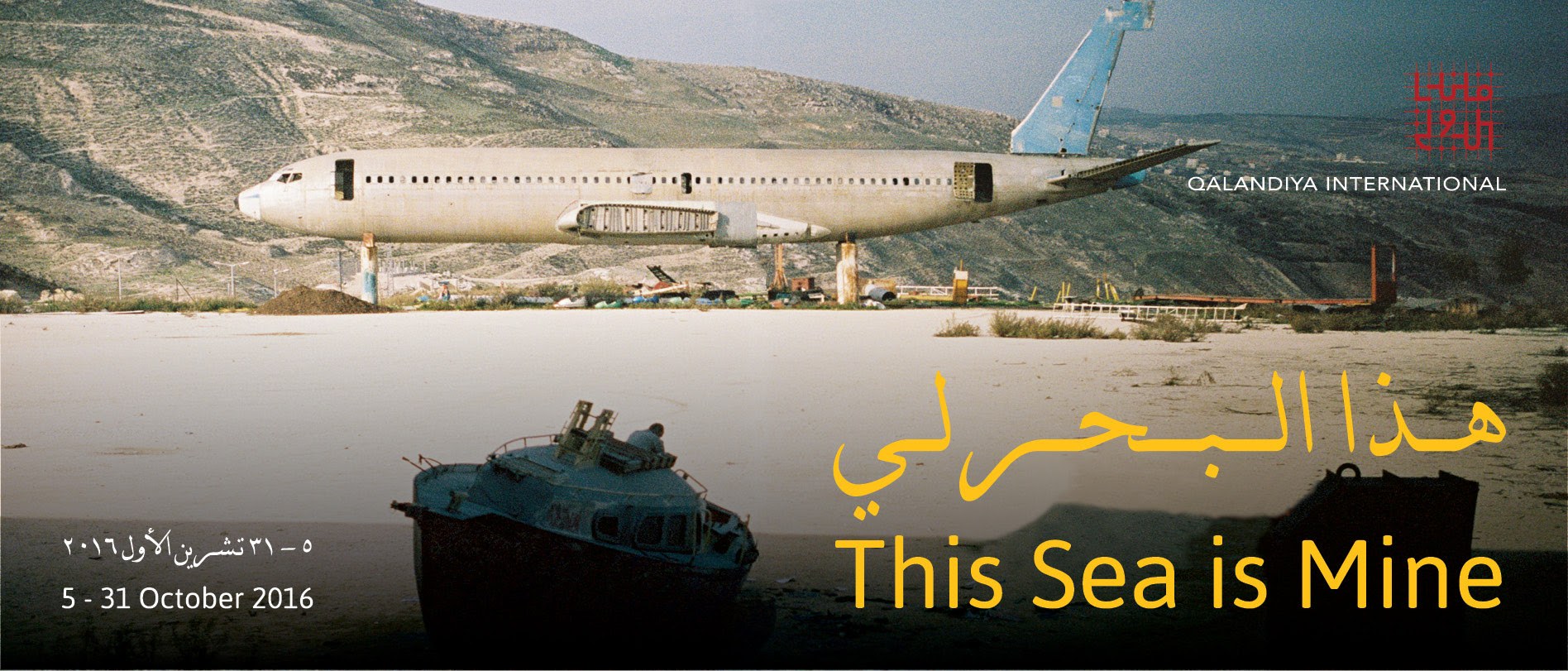
Image credits
- How to Organize a Biennial In Occupied Territory — Source/credit unknown — owner review (source page)
- 074-qalandiya-international-2.jpg — Source/credit unknown — owner review (source page)
- 074-qalandiya-international-3.jpg — Source/credit unknown — owner review (source page)
- Qalandia International | Gestures in Time — Source/credit unknown — owner review (source page)
- Qalandiya International (QI) prepares to launch its third edition - Biennial Foundation — Source/credit unknown — owner review (source page)